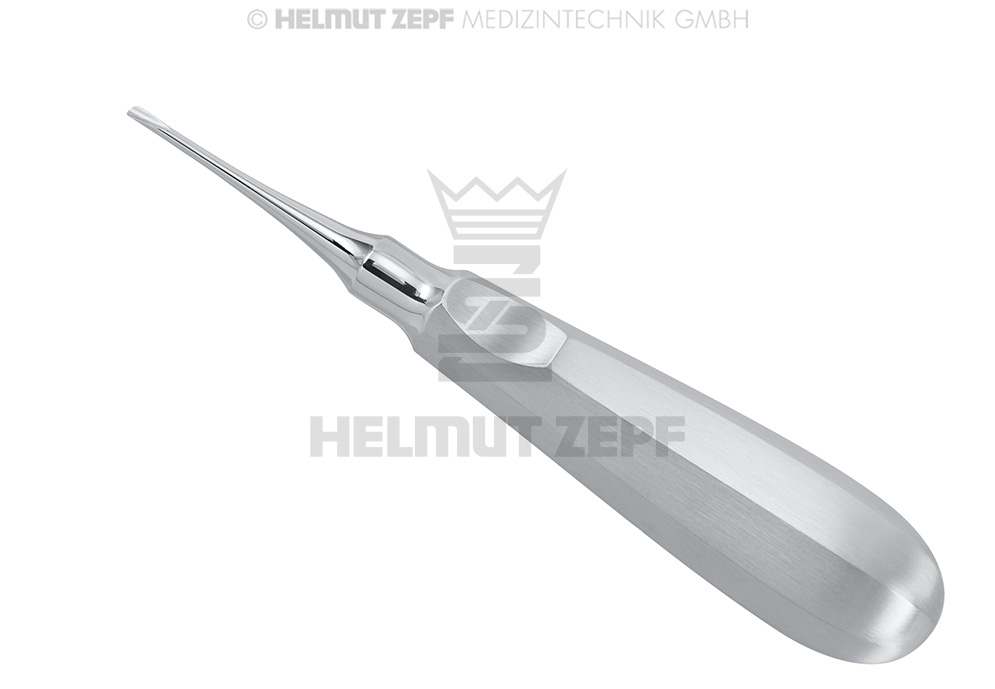
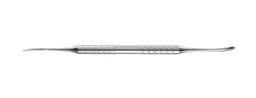
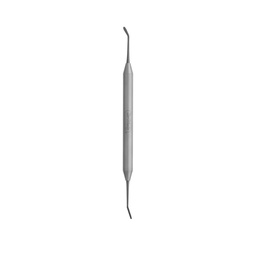
Apical dental root elevator Fig. 301, Helmut Zepf (17.301.10) - Delynov
The Élévateur apical de racines dentaires Fig. 301, Helmut Zepf is a medical device manufactured by Helmut Zepf Medizintechnik GmbH.
- Manufacturer: Helmut Zepf Medizintechnik GmbH.
- Reference: 17.301.10.
- Reserved for healthcare professionals. Read instructions carefully before use.
| Manufacturer: Helmut Zepf |
Complete your order
Our customers often order these together
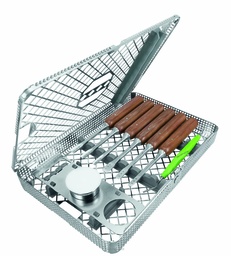 Immediate Dentoalveolar Restoration (IDR) Surgical Kit by Dr José Carlos Martins Da Rosa - Helmut Zepf (41.550.00) - Delynov
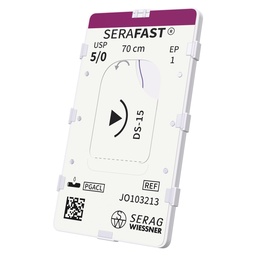 SERAFAST Absorbable Violet Suture 5/0 DS-15 Needle 70cm - Serag & Wiessner - JO103213
Recommended suture
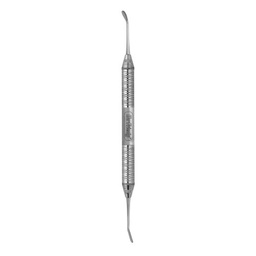 Dr Istvan Urban "Mini Me" Micro Periosteal Elevator (PFIWDS1MK) - Hu-Friedy - Delynov
 Dr Istvan Urban "Mini Me" Micro Periosteal Elevator, Black Line (PFIWDS1MKX) - Hu-Friedy - Delynov
What is the Helmut Zepf Fig. 301 dental root apical elevator?
The Fig. 301 dental root apical elevator is a manual instrument designed by Helmut Zepf Medizintechnik GmbH for oral surgery. Identified under reference 17.301.10, this tool consists of an ergonomic handle and a thin, tapered working part. Its structure is specifically adapted to reach the apical areas of the socket, where standard extraction instruments cannot access. It is primarily used to luxate and extract residual roots or fractured fragments during avulsion procedures. The design of this root elevator prioritizes the transmission of axial force to dislodge firmly anchored dental structures without unnecessarily damaging the adjacent alveolar walls.
What are the clinical indications for this instrument?
The use of this root apical elevator is indicated during complex dental extractions where the crown is absent or fractured below the gingival level. In implant surgery, it is used to clean the socket of any root debris before site preparation. It is particularly effective for small-diameter roots or fragments located in the apical third. Practitioners use the apical root elevator to break the periodontal ligament fibers through moderate rotation and leverage movements. This Helmut Zepf instrument is therefore essential to ensure a healthy socket free of any organic foreign bodies, thus promoting optimal bone healing or immediate implant placement under rigorous cleanliness conditions.
What are the technical characteristics of reference 17.301.10?
The Helmut Zepf instrument bearing reference 17.301.10 corresponds to Figure 301 of the classic range of elevators. Its technical characteristics include a fine working tip, optimized for insertion into the narrow desmodontal space. Unlike wider elevators, the Fig. 301 configuration allows for a precise approach to the apexes. The connection between the shaft and the handle is designed to withstand the torsional stresses required during luxation. Although the exact specifics of the alloy are not detailed here, this manufacturer's instruments comply with production standards for precision surgical instrumentation. Its geometry is designed to offer maximum visibility to the surgeon during procedures in the posterior zone or in deep sockets.
What are the contraindications for the use of this elevator?
Contraindications for the use of this root elevator mainly concern clinical situations where the application of leverage could compromise critical anatomical structures, such as the maxillary sinus or the inferior alveolar nerve, if the root is too close to them. It must not be used if the practitioner does not have sufficient visibility or a clear preoperative radiograph precisely locating the fragment. As with any metallic instrument, a contraindication may exist in case of a known patient allergy to the alloy components, although this is rare for non-implanted instruments. It is imperative not to use the instrument on a bone structure weakened by cystic or tumor pathology without specific precautions.
What are the maintenance precautions for this non-resorbable instrument?
As a reusable and non-resorbable surgical instrument, the apical root elevator must follow a strict sterilization protocol between each patient. After each use, it must be cleaned, decontaminated, and sterilized according to the recommendations of the manufacturer Helmut Zepf Medizintechnik GmbH. It is advisable to use cleaning solutions that do not attack the surface properties of the metal. A visual inspection of the working tip is necessary before each procedure to detect any signs of wear, deformation, or corrosion that could weaken the instrument or injure the patient. Rigorous maintenance guarantees the longevity of the tool and the safety of surgical acts, notably avoiding risks of cross-contamination within the dental practice.
Who is the manufacturer and what are the quality guarantees?
The official manufacturer of this instrument is Helmut Zepf Medizintechnik GmbH, a recognized manufacturer in the field of dental and surgical instrumentation based in Germany. The Helmut Zepf brand is associated with a long tradition of precision and reliability in the design of tools for oral surgery. Although specific certifications (regulatory class or CE marking) are not listed in the provided source data, this manufacturer's products are developed to meet the technical requirements of healthcare professionals. For any information relating to compliance standards or specific instructions for use (IFU), it is recommended to systematically refer to the technical documentation provided by the manufacturer or consult the leaflet attached to the original product packaging.
State of the art
Specialized surgical instrumentation is evolving towards ergonomic designs.