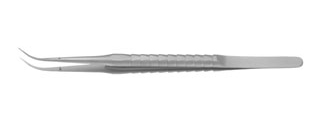
Micro Dissecting Forceps - Helmut Zepf (22.821.17D) - Delynov
The Pince à dissection micro - Helmut Zepf is a medical device manufactured by Helmut Zepf Medizintechnik GmbH.
- Compliance: Medical device Class I.
- Manufacturer: Helmut Zepf Medizintechnik GmbH.
- Reference: 22.821.17D.
- Reserved for healthcare professionals. Read instructions carefully before use.
What are the Helmut Zepf micro dissection forceps (22.821.17D)?
The Helmut Zepf micro dissection forceps, referenced under code 22.821.17D, are a specialized manual instrument for oral surgery. Manufactured by Helmut Zepf Medizintechnik GmbH, these non-toothed dissection forceps are made of high-quality medical stainless steel. Their micro structure is specifically adapted to the requirements of micro-surgery, allowing for fine manipulation of soft tissues. As a Class I instrument, they meet the manufacturing standards for non-invasive or short-term invasive medical devices used in dental practices for precision acts.
What are the clinical indications for this instrument?
This instrument is primarily indicated for oral surgery procedures, particularly within the framework of guided bone regeneration (GBR) and periodontology. The non-toothed dissection forceps allow for gripping, lifting, and maintaining soft tissue flaps or collagen membranes with great delicacy. They are used by dental surgeons and implantologists to stabilize tissues during suture phases or for surgical site exposure. Their use is strictly reserved for qualified healthcare professionals mastering dental micro-surgery techniques.
What are the technical characteristics of the 22.821.17D forceps?
The Helmut Zepf micro dissection forceps are distinguished by their medical stainless steel design, guaranteeing resistance to repeated decontamination processes. Although delivered non-sterile, they are designed to withstand cleaning, disinfection, and sterilization cycles without a defined maximum limit, provided there is no visible damage. The manufacturer Helmut Zepf emphasizes the importance of checking the instrument's condition before each use, specifically the absence of cracks, breaks, or defects on the active parts, to ensure patient safety and surgical efficiency.
What are the contraindications for the use of these forceps?
The main contraindication related to the use of this Helmut Zepf instrument is known patient hypersensitivity or intolerance to metals, specifically medical stainless steel. A hypersensitivity reaction may be triggered upon contact with tissues. The manufacturer specifies that if such a reaction occurs during the intervention, the procedure must be immediately stopped and necessary medical measures must be taken. It is therefore crucial to evaluate the patient's allergic history before any manipulation with this manual instrument.
What are the maintenance and sterilization precautions?
All Helmut Zepf instruments must imperatively be cleaned, disinfected, and sterilized before the first use, as well as after each subsequent use. The reprocessing process must be complete to ensure asepsis of the surgical field. Before each use, the practitioner must visually inspect the instrument to detect any signs of wear, corrosion, or deformation. The use of damaged products or those presenting defects on the edges is strictly prohibited. Due to the quality of the materials used, the number of achievable processing cycles depends directly on the care taken during maintenance.
Who is the manufacturer and what standards are respected?
The official manufacturer is the company Helmut Zepf Medizintechnik GmbH, located in Seitingen-Oberflacht, Germany. This medical device belongs to Class I according to current regulations. The products are delivered non-sterile and must be prepared according to standard hospital sterilization protocols. The manufacturer ensures the traceability and compliance of its instruments intended for professional dental use. Compatibility with other medical devices used during the intervention must also be verified by the healthcare professional before the start of the surgical act.
State of the art
Guided bone regeneration (GBR) in implantology relies on membrane fixation quality.
Specifications
| Manufacturer | Helmut Zepf |
| Tags | |
|---|---|
| Tags | |