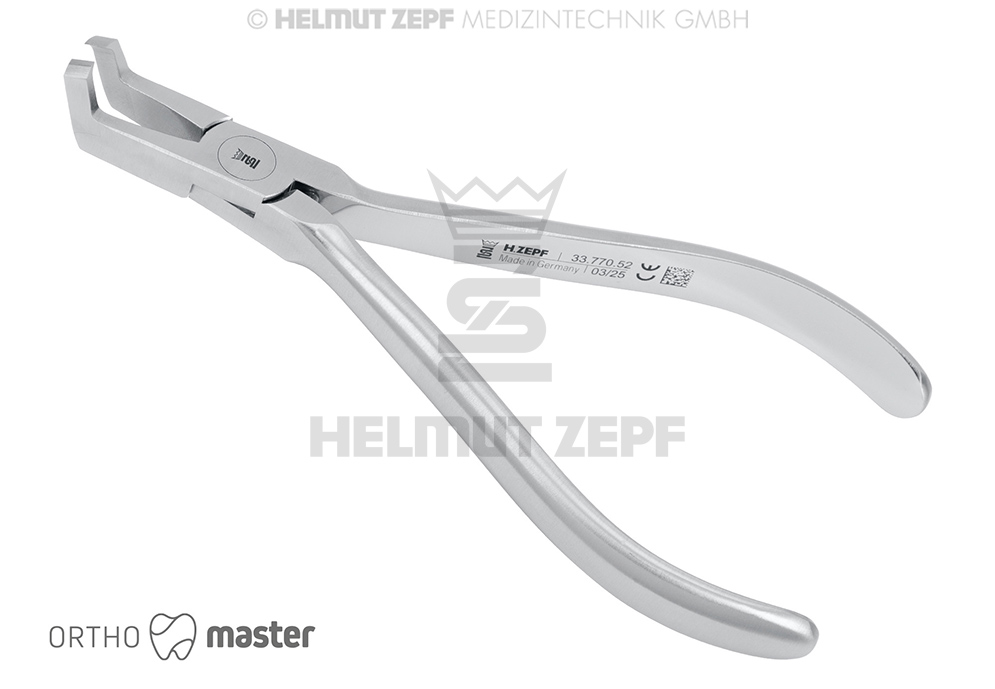
Angulated bracket removing and debonding pliers with hardened steel inserts - Helmut Zepf (33.770.52) - Delynov
The Pince à débracketage et dépose angulée avec insert en acier durci - Helmut Zepf is a medical device manufactured by Helmut Zepf Medizintechnik GmbH.
- Manufacturer: Helmut Zepf Medizintechnik GmbH.
- Reference: 33.770.52.
- Reserved for healthcare professionals. Read instructions carefully before use.
| Manufacturer: Helmut Zepf |
Complete your order
Our customers often order these together
 Approximal elevator kit for dental surgery, set of 5 instruments - Helmut Zepf (17.007.75) - Delynov
 Cortical bone collector with stopper, diameter 6.0 mm (ABC604L), height 21.94 mm - Osstem - Delynov
 SEMKEN-TAYLOR straight tweezers - Helmut Zepf (22.278.15) - Delynov
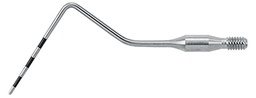 Graduated Periodontal Probe Helmut Zepf (2/4/6/8/10/12 millimeters) - Delynov
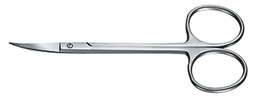 Curved Gum Scissors 11.5 cm - Helmut Zepf (46.051.11) - Delynov
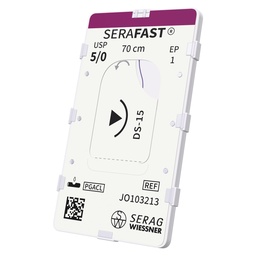 SERAFAST Absorbable Violet Suture 5/0 DS-15 Needle 70cm - Serag & Wiessner - JO103213
Recommended suture
What is the Helmut Zepf angled bracket removing and debonding plier?
The angled bracket removing and debonding plier (reference 33.770.52) is a manual instrument developed by Helmut Zepf for end-of-orthodontic treatment procedures. Its structure is distinguished by an inclined working head and the integration of a hardened steel insert at the jaws. This specific design aims to ensure a firm grip on the bracket while preserving the integrity of the instrument against repeated mechanical stress. As a specialized tool, it allows for the efficient breaking of the adhesive bond between the attachment and the tooth surface. The choice of materials by Helmut Zepf guarantees increased longevity of the active part, preventing rapid deformation when applying the pressure necessary for the removal of bonded devices.
What are the clinical indications for this instrument?
This orthodontic debracketing plier is primarily indicated during the removal phase of fixed appliances in orthodontics or orthognathic surgery. It is used by the practitioner to remove metal or ceramic brackets. Its angled shape is particularly relevant for intervening on premolars and molars, where the insertion axis of a straight plier would be limited by the mouth opening or soft tissues. In oral surgery, it can also be used for the removal of temporary intermaxillary fixation devices using brackets. The clinical objective is to obtain a clean separation of the bracket base without damaging the underlying enamel, by transmitting a shear or compression force adapted to the morphology of the attachment.
What are the technical specifications of reference 33.770.52?
La pince Helmut Zepf 33.770.52 présente des caractéristiques techniques axées sur la durabilité et l'ergonomie d'accès. Sa particularité majeure réside dans ses inserts en acier trempé, un matériau choisi pour sa dureté supérieure à celle de l'acier inoxydable standard, ce qui limite l'écrasement des mors lors du contact avec des matériaux de brackets durs. L'angulation de la tête de travail est calculée pour offrir un effet de levier optimal tout en maintenant une visibilité directe du champ opératoire. Le manche est conçu pour assurer une prise stable, permettant au praticien de doser précisément la force exercée. Cette pince à décoller les brackets n'inclut pas d'aiguille, car c'est un instrument de préhension et de sectionnement de joint adhésif, et sa finition de surface est conçue pour résister aux cycles de nettoyage et de stérilisation requis en chirurgie orale.
What are the contraindications for the use of this plier?
There are no specific absolute medical contraindications to the instrument itself, outside of standard protocols related to asepsis. However, the use of this bracket removal plier is discouraged on teeth presenting major structural fragility, significant enamel cracks, or unstable prosthetic restorations without prior evaluation, as the debracketing force could aggravate these conditions. It must not be used to cut large section archwires if it is not specifically certified for cutting, at the risk of damaging the hardened steel inserts. The practitioner must ensure that the rocking or pressure movement is compatible with the periodontal health of the concerned tooth. One should systematically refer to the Helmut Zepf manufacturer's recommendations for usage limits.
What are the maintenance precautions for this non-resorbable instrument?
As a reusable surgical instrument made of hardened steel, the bracket removal plier must follow a rigorous decontamination and sterilization protocol after each patient. The hardened steel inserts require particular attention during cleaning to avoid the accumulation of composite or orthodontic adhesive residues that could compromise the precision of the grip. It is recommended to use neutral pH cleaning solutions to avoid galvanic corrosion or tarnishing of the steel. After washing, complete drying is imperative before autoclaving. Although the instrument is not subject to resorption like an implantable device, the natural wear of the jaws must be checked regularly. Appropriate lubrication of the hinges with a medical instrument oil is advised to maintain fluidity of movement.
Who is the manufacturer and what standards are respected?
L'instrument est fabriqué par Helmut Zepf Medizintechnik GmbH, une entreprise allemande réputée pour la haute qualité de son instrumentation chirurgicale et orthodontique. Helmut Zepf applique des normes de fabrication rigoureuses pour garantir la fiabilité de ses outils de chirurgie orale et d'orthodontie. Bien que la classe réglementaire précise et le marquage CE ne soient pas spécifiés dans les données techniques fournies pour cette référence 33.770.52, les produits de ce fabricant sont généralement conçus pour répondre aux exigences relatives aux dispositifs médicaux en vigueur sur le marché européen. Les praticiens sont invités à consulter l'étiquetage du produit et les instructions d'utilisation jointes par Helmut Zepf Medizintechnik GmbH pour vérifier les certifications spécifiques, les instructions de retraitement et la conformité aux normes de sécurité internationales pour les dispositifs médicaux.
State of the art
Guided bone regeneration (GBR) in implantology relies on membrane fixation quality.