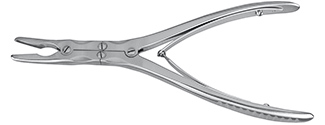
Beyer Bone Rongeur - Helmut Zepf (42.650.18) - Delynov
The Pince-Gouge Beyer - Helmut Zepf is a medical device manufactured by Helmut Zepf Medizintechnik GmbH.
- Compliance: Medical device Class I.
- Manufacturer: Helmut Zepf Medizintechnik GmbH.
- Reference: 42.650.18.
- Reserved for healthcare professionals. Read instructions carefully before use.
What is the Beyer Bone Rongeur - Helmut Zepf (42.650.18)?
The Beyer Bone Rongeur, referenced under code 42.650.18 by the manufacturer Helmut Zepf Medizintechnik GmbH, is a manual surgical instrument specifically designed for hard tissue work. Manufactured from high-quality medical stainless steel, this rongeur is distinguished by stable shanks allowing for controlled force during the cutting or crushing of bones. As a Class I device, it meets the safety requirements for non-invasive or short-term invasive reusable surgical instruments. Its robust structure is adapted to the requirements of oral surgery and Guided Bone Regeneration (GBR), offering reliable handling for demanding practitioners.
What are the clinical indications for this instrument?
The Helmut Zepf Beyer bone rongeur is indicated for any procedure requiring modification of the bone architecture. In oral surgery, it is primarily used for alveoloplasty after extraction, allowing for the smoothing of protruding alveolar ridges. It is also employed during pre-implant surgeries to eliminate exostoses or bone spicules that could interfere with implant placement or the fitting of a prosthesis. Its clean cutting action allows for the precise removal of bone fragments, thus facilitating the remodeling necessary for the preparation of complex surgical sites.
What are the technical characteristics of the 42.650.18 rongeur?
Reference 42.650.18 corresponds to a Beyer model produced by Helmut Zepf. The technical characteristics are based on the use of a medical stainless steel selected for its corrosion resistance and its ability to maintain an effective cutting edge after several sterilization cycles. The instrument is designed with a robust hinge mechanism and specific jaws allowing for a firm grip on the bone tissue. In accordance with the manufacturer's specifications, this device is delivered non-sterile and must undergo a complete cleaning, disinfection, and sterilization protocol before its first use and after each clinical intervention.
What are the contraindications for using the Beyer bone rongeur?
The main medical contraindication mentioned by Helmut Zepf Medizintechnik GmbH concerns known hypersensitivity or intolerance to metals. As the instrument is composed of medical stainless steel, contact with the patient can trigger an allergic reaction in sensitive individuals. If such a hypersensitivity reaction occurs during the intervention, the procedure must be immediately stopped and necessary clinical measures must be taken. It is therefore recommended to check the patient's allergic history before any use. Furthermore, the use of the instrument is strictly reserved for qualified healthcare professionals.
What are the maintenance and reprocessing precautions?
Like any Helmut Zepf instrument, the bone rongeur must be inspected before each use to detect visible damage such as cracks, breaks, or wear of the cutting edges. It is strictly forbidden to use a damaged product. The reprocessing process includes thorough cleaning, disinfection, and sterilization. Although there is no defined maximum limit of processing cycles due to the robust design and materials used, the longevity of the instrument depends on strict compliance with maintenance protocols. Compatibility with other cleaning and sterilization products must also be verified beforehand by the practitioner.
Who is the manufacturer and what standards are respected?
This medical device is manufactured by Helmut Zepf Medizintechnik GmbH, a recognized manufacturer located in Seitingen-Oberflacht, Germany. The product is classified as a Class I medical device according to current regulations. The manufacturer ensures the traceability and quality of the medical stainless steel used for the construction of the Beyer bone rongeur. Healthcare professionals can refer to the manufacturer's instructions to ensure use in compliance with surgical safety standards. Compliance with cleaning and sterilization protocols is essential to maintain the device's conformity throughout its life cycle in a dental practice or hospital environment.
State of the art
Guided bone regeneration (GBR) in implantology relies on membrane fixation quality.
Specifications
| Manufacturer | Helmut Zepf |
| Tags | |
|---|---|
| Tags | |