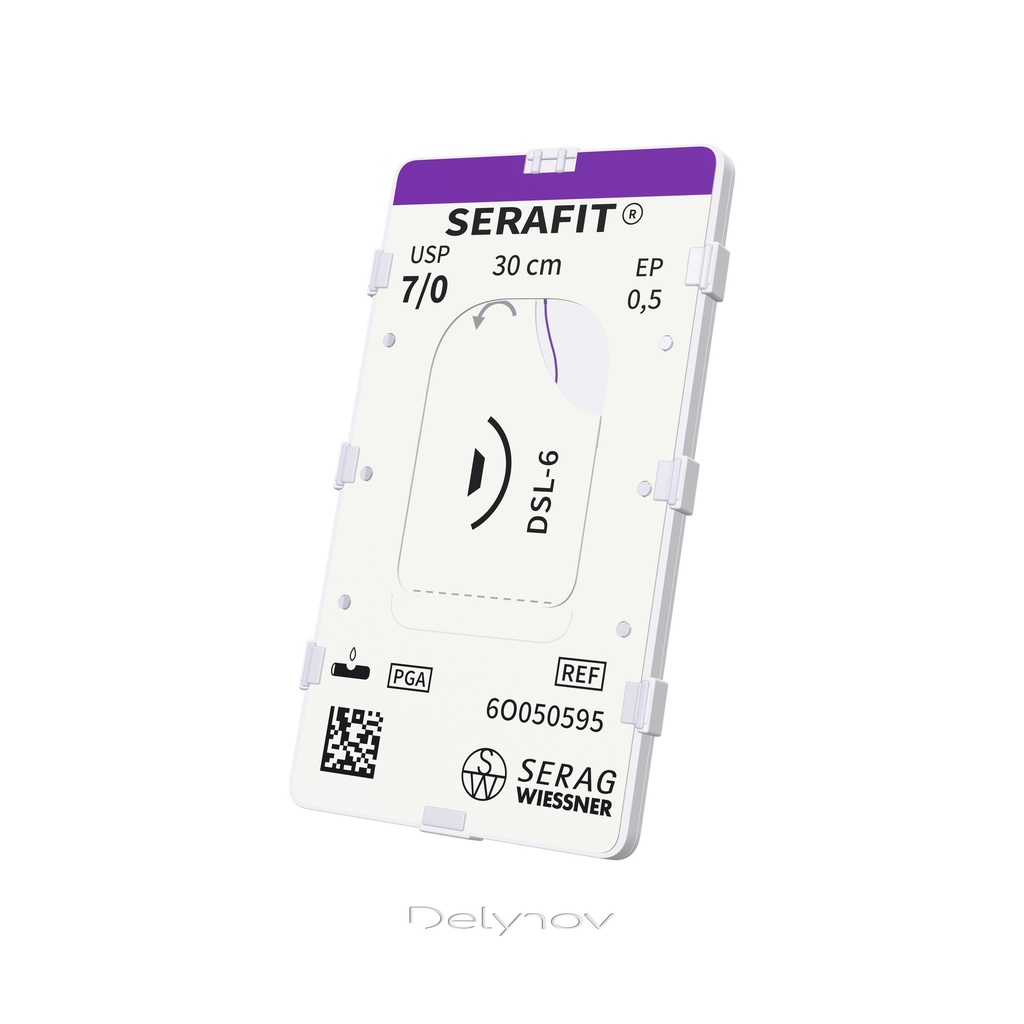
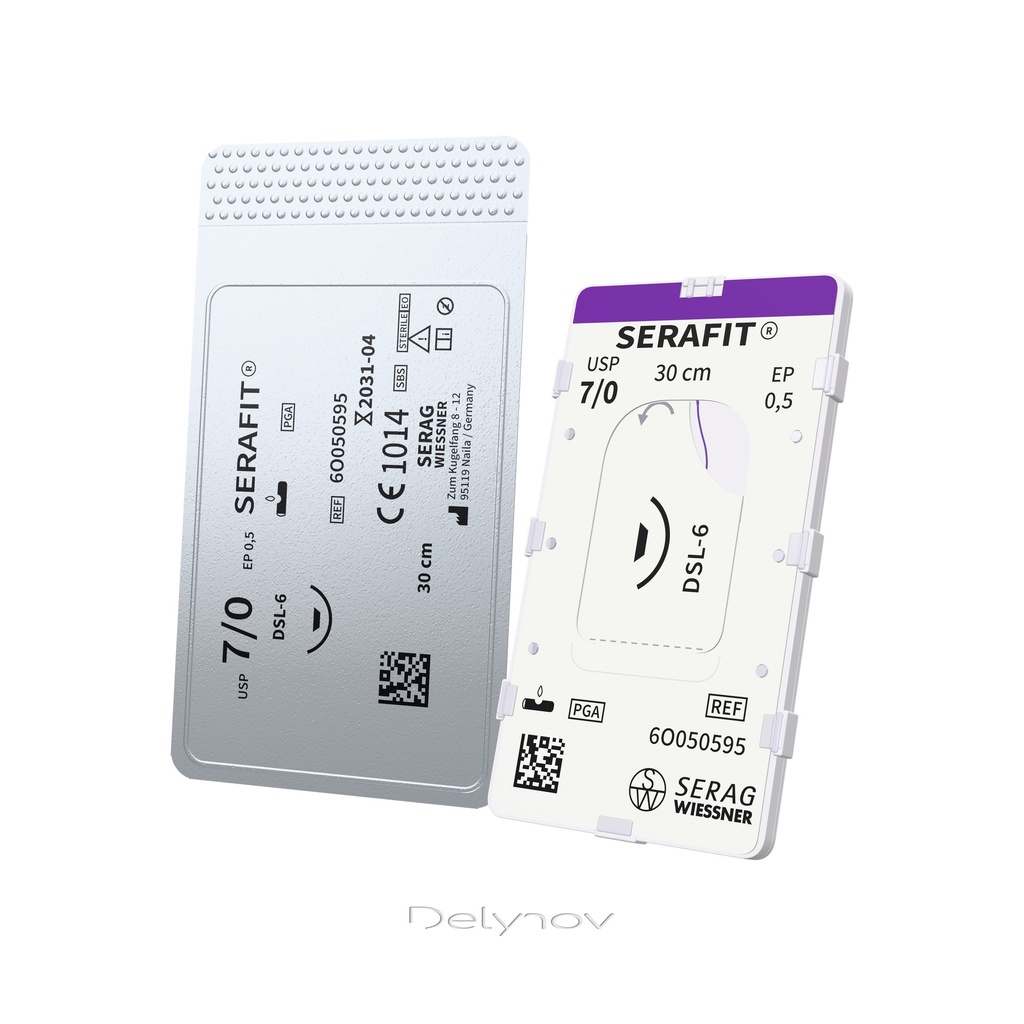
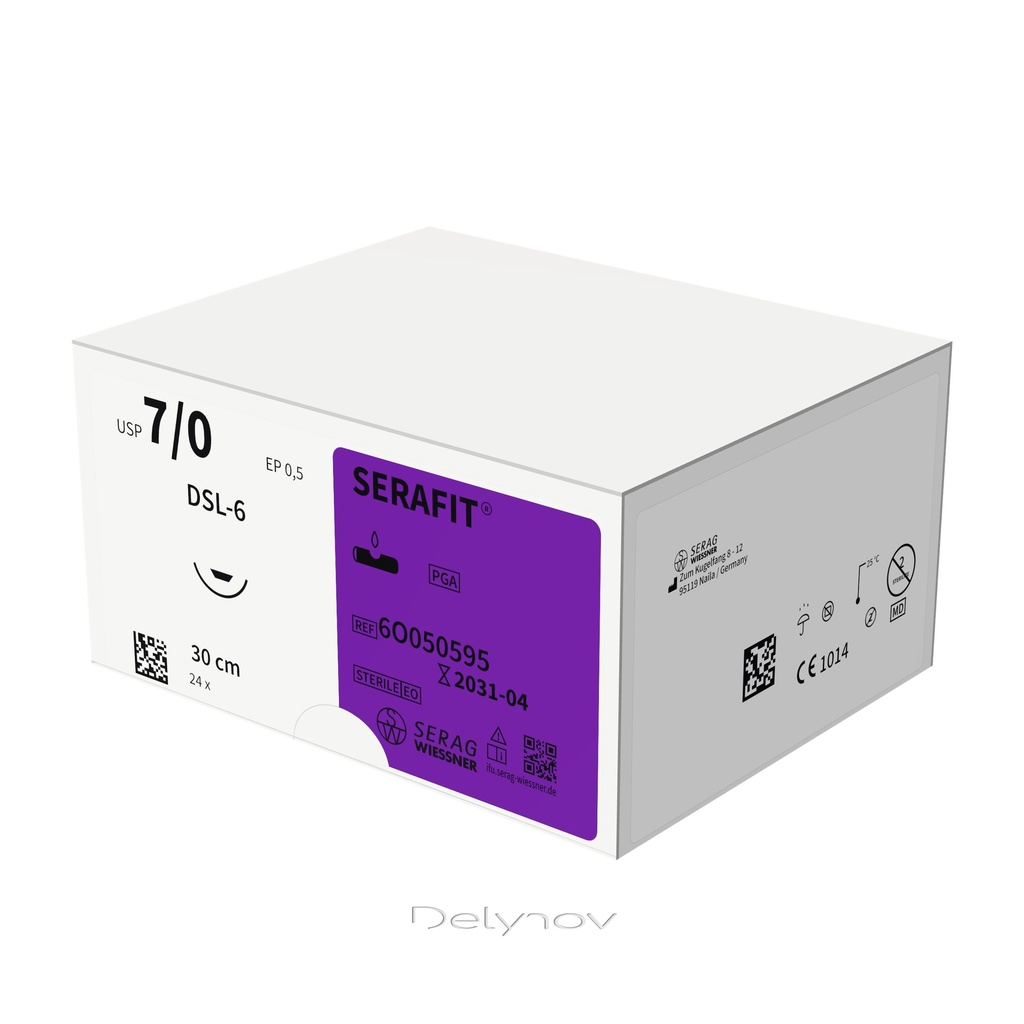
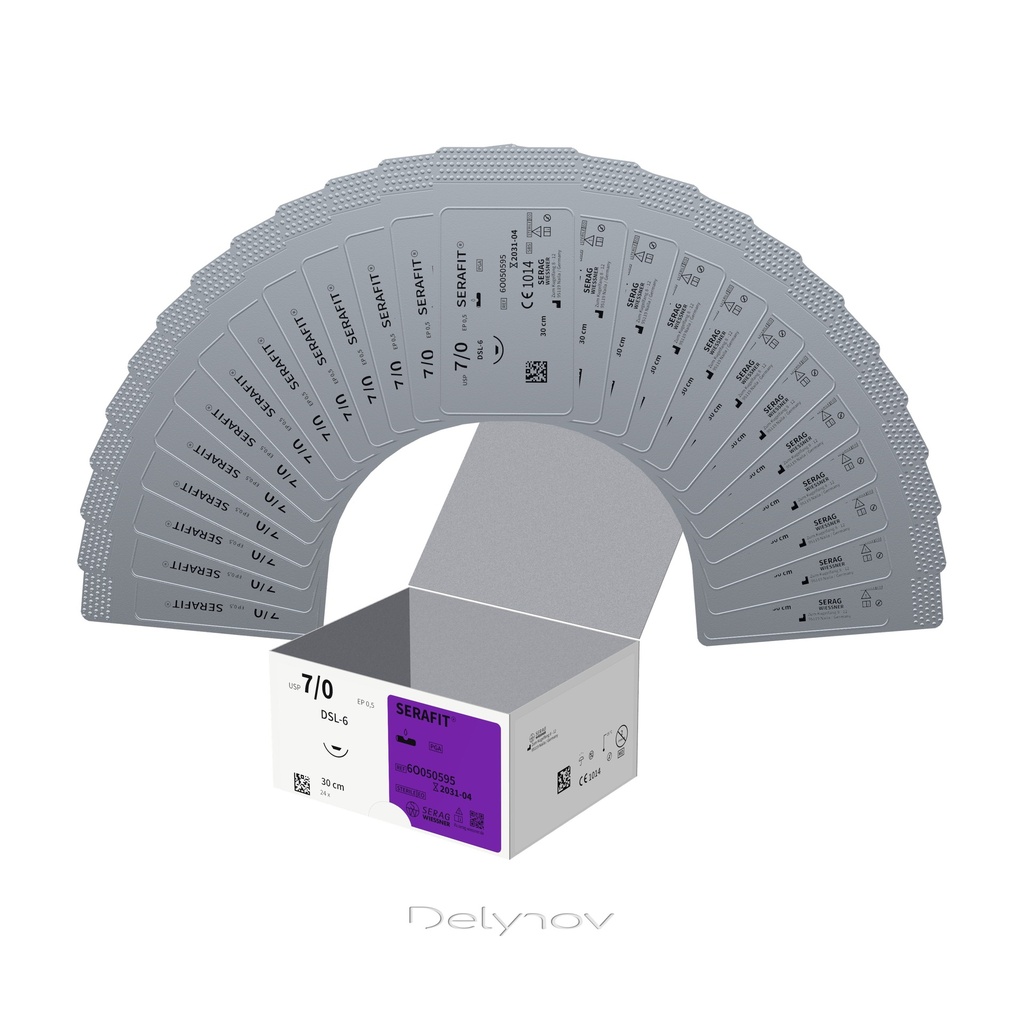
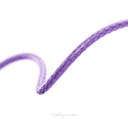
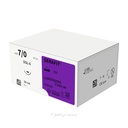
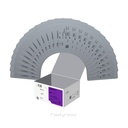
SERAFIT absorbable purple (7/0) needle DSL-6 30 CM box of 24 sutures - Serag & Wiessner (6O050595) - Delynov
The SERAFIT suture by Serag-Wiessner GmbH & Co. KG is a monofilament synthetic medical device designed for progressive absorption in oral, periodontal, and implant surgery.
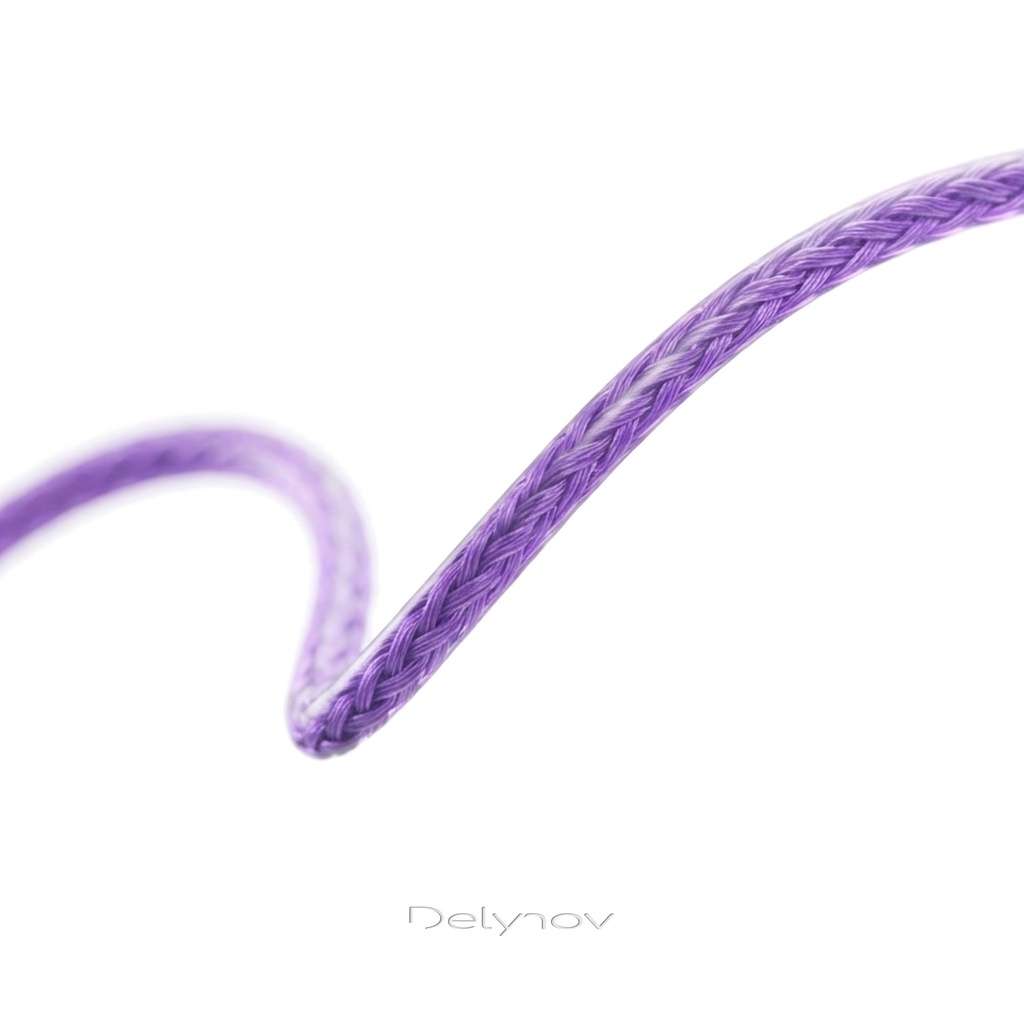
- Material: de suture multifilament tressé, synthétique, résorbable. il est composé de l'homopolymère de l'acide glycolique. serafit® peut être recouvert de stéarate de calcium avec polycaprolactone ou d'acide polyglycolique/polyligatures sont un type particulier de suture dont l'objectif est de fermer des organes creux.
- Absorption: Rapid, progressive absorption by hydrolysis.
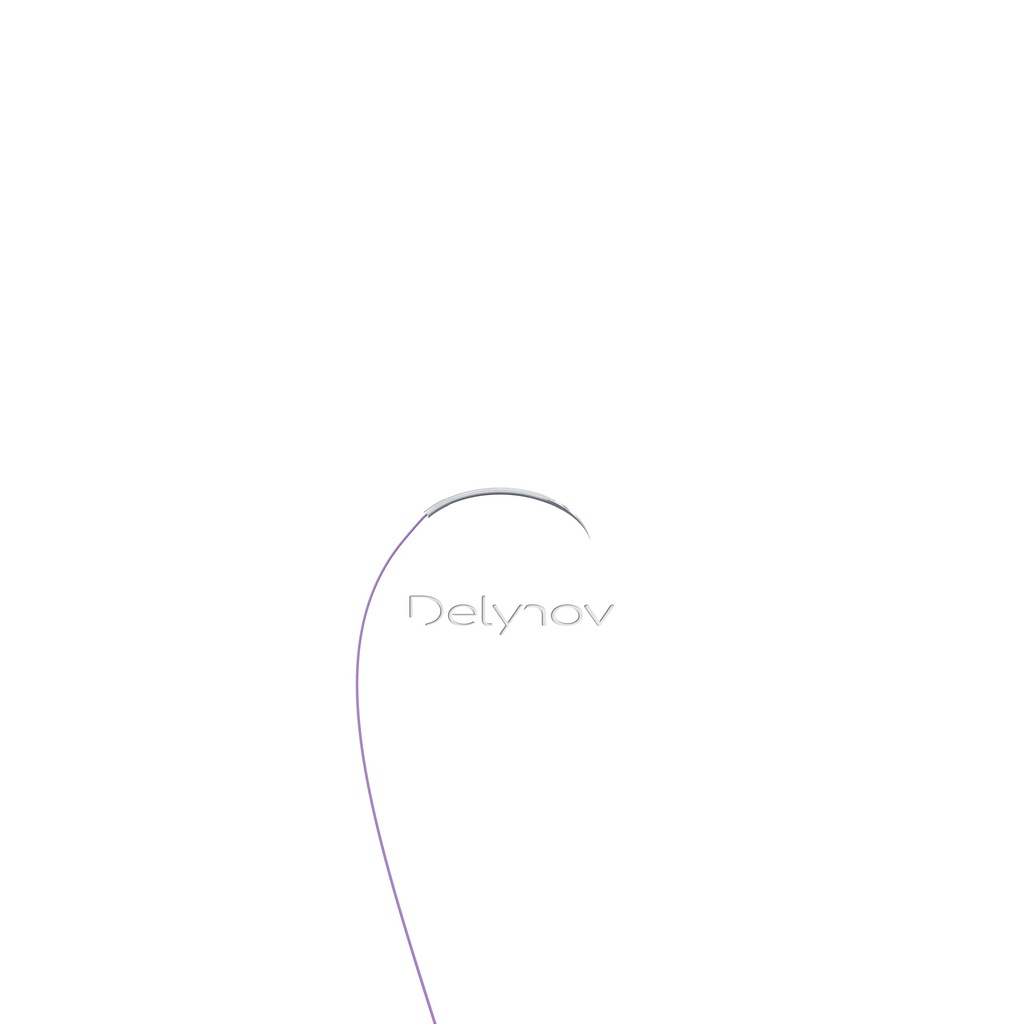
- Needle: DSL-6.
- Format: Caliber 7/0 (USP).
- Packaging: Box of 24 single-use sterile sutures.
- Compliance: Medical device Class III, CE marking CE1014.
- Manufacturer: Serag-Wiessner GmbH & Co. KG.
| Manufacturer: Serag-Wiessner Suture Materials |
Complete your order
Our customers often order these together
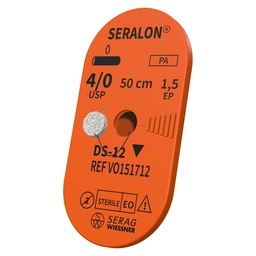 SERALON non-absorbable blue (4/0) DS-12 needle of 50 CM box of 24 sutures - Serag & Wiessner (VO151712) - Delynov
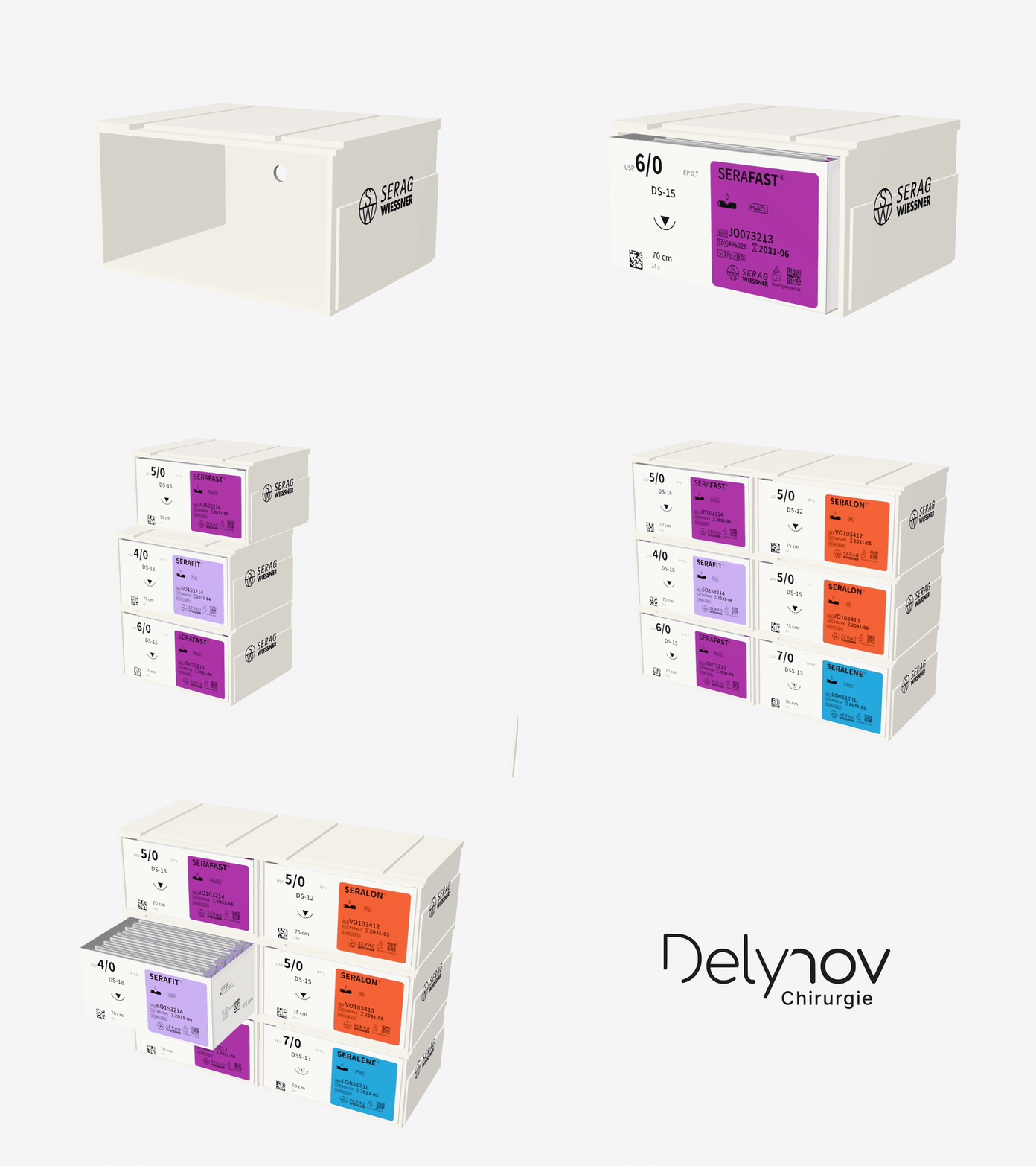 1x Drawer storage box (empty) for Serag & Wiessner suture boxes (15) - Delynov
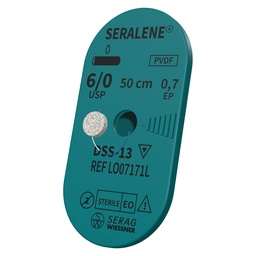 SERALENE non-absorbable blue (6/0) DSS-13 needle of 50 CM box of 24 sutures - Serag & Wiessner (LO07171L) - Delynov
Recommended suture
 VIPER Spoon Blade sterile micro scalpel blade MJK n°4 - VIPER (SB004) - Delynov
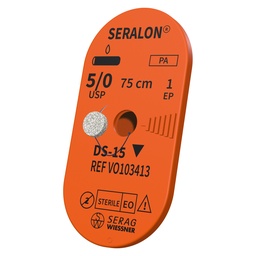 SERALON non absorbable blue (5/0) DS-15 needle 75 CM box of 24 sutures - Serag & Wiessner (VO103413) - Delynov
Recommended suture
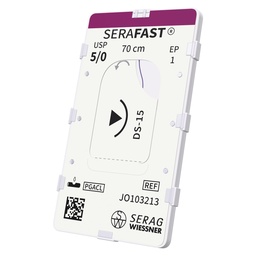 SERAFAST Absorbable Violet Suture 5/0 DS-15 Needle 70cm - Serag & Wiessner - JO103213
Recommended suture
What is the SERAFIT violet absorbable suture (7/0)?
SERAFIT from the brand Serag-Wiessner is a synthetic, absorbable, and sterile surgical suture material. Its structure is a braided multifilament type, which gives it excellent handling during interventions. This device is composed exclusively of a homopolymer of glycolic acid. To optimize its tissue passage properties, the thread may be coated with calcium stearate with polycaprolactone or polyglycolic acid. The 7/0 calibre of this reference (6O050595) is specifically adapted to high-precision surgical movements where the fineness of the thread is a critical parameter for tissue preservation.
What are the clinical indications for this device?
The manufacturer Serag-Wiessner GmbH & Co. KG indicates that SERAFIT is intended for general use as a surgical suture. More specifically, ligatures performed with this thread are a particular type of suture whose primary objective is to close hollow organs. In oral and implant surgery, this 7/0 absorbable suture is used for soft tissue approximation. The choice of this material depends on the technical requirements of the procedure and the blood supply to the affected area. The user must imperatively master the appropriate surgical techniques before use, as in-vivo characteristics influence the final clinical result.
What are the technical characteristics of the DSL-6 needle?
La boîte de 24 sutures SERAFIT est équipée d'aiguilles de référence DSL-6. Le code DSL correspond à une aiguille 3/8 de cercle dotée d'une pointe triangulaire longue. Cette configuration est conçue pour faciliter la pénétration dans les tissus denses tout en offrant un contrôle directionnel optimal. La finesse du calibre 7/0 combinée à cette géométrie d'aiguille permet des sutures microchirurgicales avec un traumatisme d'insertion réduit, répondant aux exigences des praticiens en chirurgie orale et des implantologues pour les zones anatomiques étroites ou les tissus fragiles.
What are the contraindications for the use of SERAFIT suture?
The use of SERAFIT is strictly contraindicated in clinical situations where prolonged or long-term mechanical stability of the suture material is necessary for successful healing. Furthermore, this Class III medical device must never be used in patients with known allergies to any of the product components, notably glycolic acid or coating agents such as calcium stearate. It is also recommended to exercise caution in patients with delayed healing or in tissues with low blood supply, as this could lead to suture extrusion or delayed resorption.
How does resorption occur and what are the precautions?
Resorption of SERAFIT occurs through a process of hydrolysis in the tissues, transforming the polymer into glycolic acid which is then metabolized by the body. This process results first in a reduction of tensile strength, followed by a loss of mass of the thread. In vitro, the breaking strength loses approximately 60% of its initial value after 14 days. In vivo, total resorption is generally completed after a period of approximately 90 days. The practitioner must take this degradation kinetics into account when choosing the material. Particular attention is required to avoid inappropriate use in tissues where resorption could be compromised by insufficient vascularization.
Who is the manufacturer and what standards are respected?
This medical device is manufactured by Serag-Wiessner GmbH & Co. KG, a recognized company located in Naila, Germany. The product benefits from a rigorous certification as a Class III medical device, in accordance with current European regulations. It bears the CE1014 marking, guaranteeing its compliance with safety and performance requirements. Each box contains 24 sterile sutures, and it is imperative to read the instructions carefully before use to respect all warnings and precautions for use provided by the German manufacturer.
State of the art
Modern synthetic sutures - absorbable or non-absorbable - are central to wound healing in oral surgery. Recent advances focus on reducing post-operative infections.