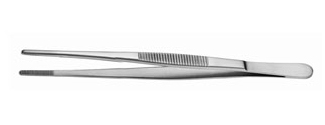
Dissection Forceps Helmut Zepf (22.200.13) - Delynov
The Pinces à dissection Helmut Zepf is a medical device manufactured by Helmut Zepf Medizintechnik GmbH.
- Compliance: Medical device Class I.
- Manufacturer: Helmut Zepf Medizintechnik GmbH.
- Reference: 22.200.13.
- Reserved for healthcare professionals. Read instructions carefully before use.
What is the Helmut Zepf dissection forceps (22.200.13)?
The Helmut Zepf dissection forceps, referenced under code 22.200.13, is a manual instrument specifically developed for the needs of oral surgery. Manufactured from medical stainless steel by Helmut Zepf Medizintechnik GmbH, this dental surgical forceps is designed to offer a reliable grip when manipulating soft tissues. Its structure is adapted to the requirements of daily practice in a dental office, guaranteeing a precise tactile response during dissection phases. This device belongs to the Class I instrument category, highlighting its compliance with basic regulatory requirements for non-invasive or temporary invasive medical devices.
What are the clinical indications for this forceps?
This dental dissection forceps is indicated for a wide range of procedures in oral surgery, particularly during guided bone regeneration (GBR) and periodontology interventions. Its primary use lies in grasping and holding gingival tissues or flaps during dissection. It allows the surgeon to retract or stabilize soft structures with precision to access the bone site or to prepare the implant bed. As a manual instrument, it is essential for ensuring controlled tissue manipulation without compromising the integrity of surrounding structures during critical phases of surgical exposure.
What are the technical characteristics of instrument 22.200.13?
The Helmut Zepf 22.200.13 forceps is characterized by its manufacture in medical grade stainless steel, a material chosen for its resistance to repeated sterilization processes. Although delivered non-sterile, it is designed to withstand the cleaning, disinfection, and sterilization cycles required before each use. Its ergonomic design allows for optimal force transmission for tissue gripping. It is imperative to check for visible damage, such as cracks or defects on the jaws, before any intervention. The durability of this instrument depends on strict compliance with the reprocessing protocols recommended by the manufacturer Helmut Zepf Medizintechnik GmbH.
What are the contraindications for the use of this forceps?
The main contraindication related to the use of this dissection forceps lies in known hypersensitivity or intolerance of the patient to metals, particularly medical stainless steel. A hypersensitivity reaction can be triggered upon contact of the instrument with the tissues. If such a reaction occurs during the intervention, the procedure must be immediately stopped and necessary clinical measures must be taken. It is the responsibility of the practitioner to check the patient's allergic history before using any metallic instrument in the mouth to prevent any undesirable side effects related to the material composition.
What are the maintenance and sterilization precautions?
Like any dental surgery instrument, Helmut Zepf products must imperatively be cleaned, disinfected, and sterilized before the first use as well as after each subsequent use. The instruments are delivered non-sterile. The reprocessing process must include complete cleaning to eliminate any biological residue. Before sterilization, a visual inspection is necessary to identify any potential breakages, cracks, or premature wear. Due to the robust design of the stainless steel, there is no defined maximum limit of treatment cycles, but the use of a damaged or worn instrument is strictly prohibited to guarantee patient safety and the effectiveness of the surgical gesture.
Who is the manufacturer and what standards are respected?
The dissection forceps is manufactured by Helmut Zepf Medizintechnik GmbH, a recognized manufacturer located in Seitingen-Oberflacht, Germany. This medical device is classified as Class I according to current regulations (MDC0483). Compliance with rigorous manufacturing protocols ensures the instrument's conformity with the quality standards required for manual devices used in surgical environments. The use of this equipment is strictly reserved for qualified healthcare professionals trained in oral surgery techniques. Traceability and safety are ensured by compliance with the instructions for use and safety provided by Helmut Zepf, guaranteeing reliable integration into the dental surgeon's therapeutic arsenal.
State of the art
Guided bone regeneration (GBR) in implantology relies on membrane fixation quality.
Specifications
| Manufacturer | Helmut Zepf |
| Tags | |
|---|---|
| Tags | |