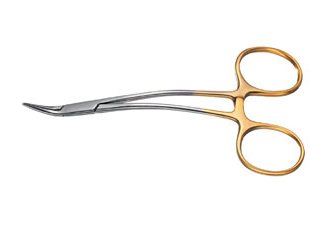
Precision Forceps for Dental Surgery and Implantology - Helmut Zepf (22.523.13) - Delynov
The Pinces à écharde pour chirurgie orale et implantologie - Helmut Zepf is a medical device manufactured by Helmut Zepf Medizintechnik GmbH.
- Compliance: Medical device Class I.
- Manufacturer: Helmut Zepf Medizintechnik GmbH.
- Reference: 22.523.13.
- Reserved for healthcare professionals. Read instructions carefully before use.
| Manufacturer: Helmut Zepf |
Complete your order
Our customers often order these together
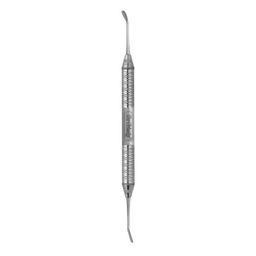 Dr Istvan Urban "Mini Me" Micro Periosteal Elevator (PFIWDS1MK) - Hu-Friedy - Delynov
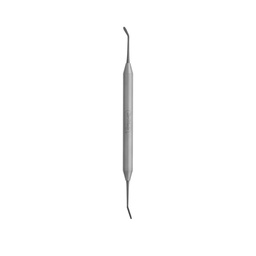 Dr Istvan Urban "Mini Me" Micro Periosteal Elevator, Black Line (PFIWDS1MKX) - Hu-Friedy - Delynov
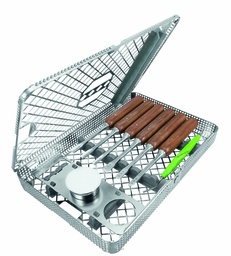 Immediate Dentoalveolar Restoration (IDR) Surgical Kit by Dr José Carlos Martins Da Rosa - Helmut Zepf (41.550.00) - Delynov
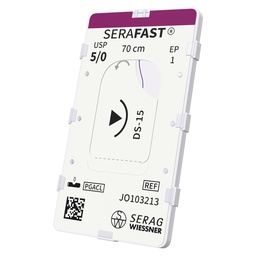 SERAFAST Absorbable Violet Suture 5/0 DS-15 Needle 70cm - Serag & Wiessner - JO103213
Recommended suture
What is the Helmut Zepf splinter forceps (22.523.13)?
La pince à éclats Helmut Zepf, référencée sous le code 22.523.13, est un instrument manuel conçu pour la chirurgie orale et l'implantologie. Fabriquée en acier inoxydable médical de haute qualité, cette pince de chirurgie de précision est spécifiquement structurée pour permettre aux praticiens de manipuler de petits éléments avec une grande fiabilité. Ce dispositif appartient à la Classe I des dispositifs médicaux, garantissant sa conformité aux exigences réglementaires pour les instruments non invasifs ou réutilisables après traitement approprié.
Quelles sont les indications cliniques de cette pince à éclats pour la chirurgie orale ?
Cette pince à fragments est indiquée pour toutes les interventions nécessitant la préhension, le maintien ou l'extraction de petits fragments ou corps étrangers au sein de la cavité orale. Elle est particulièrement utilisée en chirurgie orale, en parodontologie et lors des phases de régénération osseuse guidée (ROG). Son usage est réservé exclusivement aux professionnels de santé qualifiés. Elle permet une intervention précise dans les zones à accès restreint, assurant ainsi l'élimination efficace de débris ou la manipulation de petits composants implantaires durant les protocoles chirurgicaux.
What are the technical characteristics of this instrument?
The Helmut Zepf surgical splinter forceps is distinguished by its medical stainless steel construction, a material chosen for its resistance to repeated sterilization cycles. Referenced 22.523.13, it features ergonomics adapted to the requirements of micro-surgery. Although the manufacturer has not defined a maximum limit for processing cycles due to the robustness of the materials used, the instrument must undergo a rigorous inspection before each use. It is imperative to check for the absence of visible damage, such as cracks, breaks, or defects on the active parts, to ensure operative safety.
What are the contraindications for the use of this surgery splinter forceps?
The main contraindication related to the use of this surgery splinter forceps is known hypersensitivity or intolerance to metals, particularly medical stainless steel, in the patient. A hypersensitivity reaction may be triggered upon contact between the instrument and the tissues. If such a reaction occurs, the manufacturer Helmut Zepf Medizintechnik GmbH recommends immediate cessation of the procedure and the implementation of necessary medical measures. It is therefore essential to validate the patient's history regarding metal allergies before any surgical intervention.
What are the maintenance and reprocessing precautions?
Like any reusable Class I instrument, these forceps must follow a strict protocol of cleaning, disinfection, and sterilization. Helmut Zepf products are delivered non-sterile and must imperatively be treated before the first use, and then after each subsequent use. The professional must inspect the instrument for any wear or corrosion. The use of damaged products is strictly prohibited. The reprocessing process is possible thanks to the durable design of the steel, but it is the practitioner's responsibility to check compatibility with other products and to ensure the integrity of the cutting and gripping edges.
Who is the manufacturer and what standards are respected?
Le fabricant officiel est Helmut Zepf Medizintechnik GmbH, situé à Seitingen-Oberflacht, Allemagne. Ce dispositif est classé en Classe I selon la réglementation en vigueur relative aux dispositifs médicaux. La conformité de l'instrument est maintenue par le respect des consignes de sécurité et d'utilisation. Chaque pince est soumise à des contrôles qualité rigoureux pour répondre aux exigences de l'implantologie moderne. En tant qu'instrument manuel de chirurgie orale, son utilisation doit être conforme à sa destination pour garantir la sécurité du patient et la longévité de cet outil de précision.
State of the art
Guided bone regeneration (GBR) in implantology relies on membrane fixation quality.