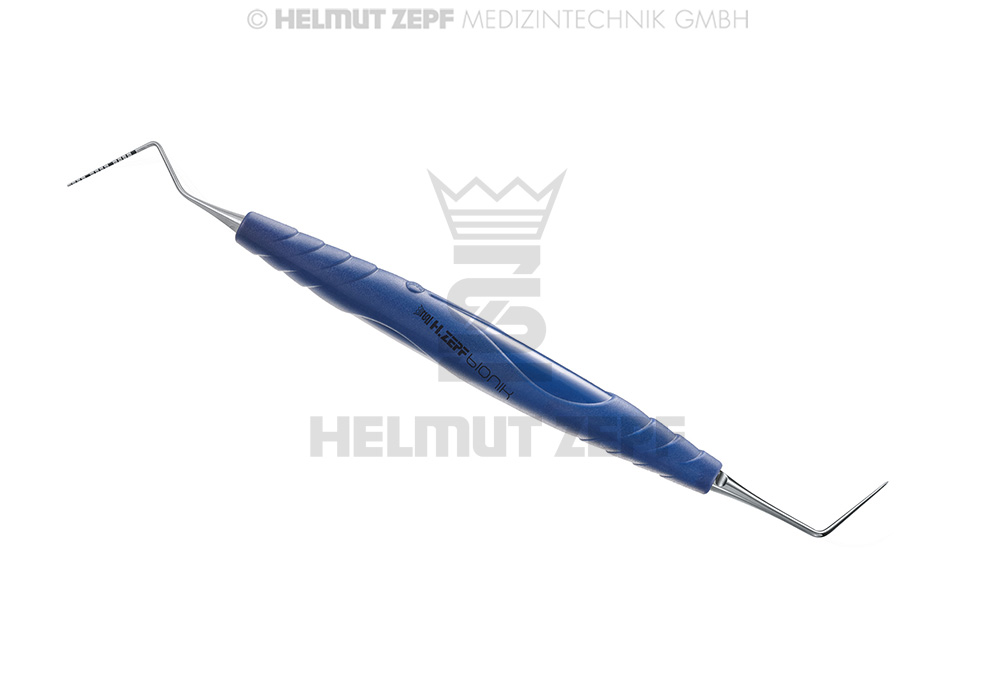
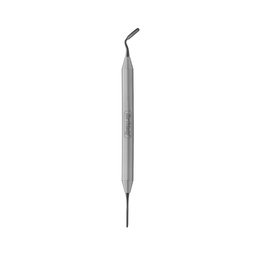
North Carolina periodontal probe combined, surgical instrument - Helmut Zepf (24.853.14) - Delynov
The Sonde parodontale North Carolina combinée, instrument chirurgical - Helmut Zepf is a medical device manufactured by Helmut Zepf Medizintechnik GmbH.
- Manufacturer: Helmut Zepf Medizintechnik GmbH.
- Reference: 24.853.14.
- Reserved for healthcare professionals. Read instructions carefully before use.
| Manufacturer: Helmut Zepf |
Complete your order
Our customers often order these together

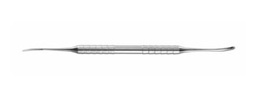
 Urban Scissors - (CURBAN1) Hu-Friedy - Delynov
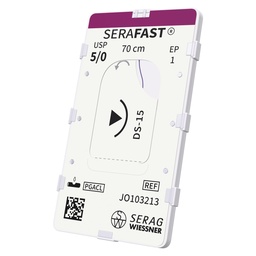 SERAFAST Absorbable Violet Suture 5/0 DS-15 Needle 70cm - Serag & Wiessner - JO103213
Recommended suture
What is the Helmut Zepf combined North Carolina periodontal probe?
The combined North Carolina periodontal probe, referenced under code 24.853.14, is a high-precision manual diagnostic instrument manufactured by Helmut Zepf Medizintechnik GmbH. This device consists of a central handle and graduated working ends, specifically designed for the exploration of periodontal tissues. As an instrument in the INSTRU category, it is intended for professional use in dental practices or operating rooms. Its robust structure allows for stable handling, essential for obtaining reproducible measurements during every periodontal surgery probe or routine examination.
What are the clinical indications for this instrument?
This north carolina periodontal probe is primarily indicated for the screening and monitoring of periodontal diseases. It allows the clinician to accurately measure the depth of the sulcus or periodontal pockets, detect gingival recessions, and evaluate the clinical attachment level. In implantology, it is used to measure soft tissue thickness or the depth of peri-implant pockets. Its use is systematic during initial periodontal assessments, post-therapeutic re-evaluations, and maintenance sessions to ensure rigorous monitoring of the patient's oral health.
What are the technical characteristics of the 24.853.14 probe?
The Helmut Zepf double north carolina probe is distinguished by its precise marking and combined configuration. Technical reference 24.853.14 designates an instrument whose ends are calibrated according to North Carolina standards, offering clear and legible millimeter graduations. This dual design allows for increased versatility when examining different quadrants without changing instruments. The manufacturer Helmut Zepf uses rigorous manufacturing processes to guarantee the fineness of the tips, allowing for atraumatic insertion into the gingival margin while maintaining sufficient rigidity for optimal tactile perception of underlying structures.
What are the contraindications for the use of this probe?
There are no specific absolute contraindications to the use of a manual periodontal probe, outside of clinical situations where any instrumental manipulation is prohibited, such as during certain acute phases of uncontrolled infections or in patients presenting major hemorrhagic risks without prior preparation. However, excessive pressure should not be exerted during probing to avoid piercing the epithelial attachment or causing unnecessary pain. Use must be limited to periodontal tissues and must not be diverted for leverage or luxation functions, which would damage the calibrated end of the instrument.
What are the maintenance precautions for this non-resorbable instrument?
As a reusable surgical instrument, the Helmut Zepf probe must undergo a strict decontamination, cleaning, and sterilization protocol after each use, in accordance with the current guidelines for non-resorbable devices. It is recommended to use pH-neutral cleaning solutions to preserve the integrity of the graduations and the metallic surface. Regular visual inspection is necessary to ensure the legibility of the millimeter markings. Any probe showing tip deformation or graduation wear must be replaced so as not to compromise the reliability of clinical measurements during the dental examination probe.
Who is the manufacturer and what standards are respected?
The device is manufactured by Helmut Zepf Medizintechnik GmbH, a recognized manufacturer in the field of dental and surgical instrumentation. Production follows the high quality standards associated with German manufacturing. Although the exact details of the regulatory class or CE marking are not detailed in the current technical sheet, this product is designed to meet the professional requirements of oral surgery. Practitioners are invited to refer to the instructions for use and the labeling affixed to the packaging to confirm the certifications and reprocessing instructions specific to reference 24.853.14.
State of the art
Specialized surgical instrumentation is evolving towards ergonomic designs.