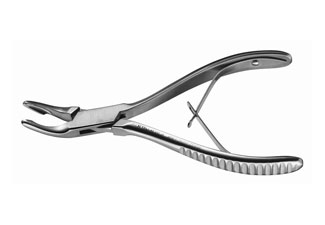
Cleveland Bone Gouge Forceps Fig. 4 14cm - Helmut Zepf (42.332.14) - Delynov
The Pince-Gouge Cleveland Fig. 4 14 cm - Helmut Zepf is a medical device manufactured by Helmut Zepf Medizintechnik GmbH.
- Compliance: Medical device Class I.
- Manufacturer: Helmut Zepf Medizintechnik GmbH.
- Reference: 42.332.14.
- Reserved for healthcare professionals. Read instructions carefully before use.
What is the Cleveland Fig. 4 rongeur forceps?
The Cleveland Fig. 4 rongeur forceps, referenced under code 42.332.14 by Helmut Zepf, is a manual bone surgery instrument. Manufactured from high-quality medical stainless steel, it measures 14cm in total length. Its structure is specifically designed to allow the cutting and removal of bone fragments or hard tissues during oral surgery procedures. As a Class I device, this instrument meets the safety requirements for non-invasive or temporary invasive medical devices. Its robust design allows for optimal force transmission for bone resection maneuvers.
What are the clinical indications for this Helmut Zepf instrument?
This Cleveland rongeur is primarily indicated in oral and implant surgery for the regularization of bone ridges after extraction or before implant placement. It is used for alveoloplasty, allowing for the removal of protruding bone spicules or exostoses that could compromise mucosal healing or the fit of a prosthesis. It also finds application in Guided Bone Regeneration (GBR) protocols to prepare the recipient site. Its use is strictly reserved for qualified healthcare professionals, ensuring handling in accordance with current surgical protocols.
What are the technical characteristics of the 42.332.14 forceps?
The Cleveland Fig. 4 rongeur forceps is distinguished by an ergonomic length of 14cm, facilitating access to posterior and anterior sectors. Manufactured by Helmut Zepf Medizintechnik GmbH, it is composed of medical stainless steel, a material chosen for its corrosion resistance and its ability to withstand repeated sterilization cycles. The instrument is delivered non-sterile and must undergo a full cycle of cleaning, disinfection, and sterilization before its first use. The hinge mechanism is designed to provide a clean cut while minimizing the manual effort required by the practitioner during prolonged interventions.
What are the contraindications for using these surgical forceps?
The main contraindication mentioned by the manufacturer Helmut Zepf concerns the patient's known hypersensitivity to metals. Since the instrument is made of medical stainless steel, contact may trigger an allergic reaction in sensitive subjects. If such a reaction occurs during the intervention, the procedure must be immediately interrupted and appropriate medical measures must be taken. Additionally, the use of the instrument is contraindicated if it shows visible damage, such as cracks, breaks, or defects on the cutting edges, as this could compromise patient safety and the effectiveness of the surgical gesture.
What are the maintenance and reprocessing precautions?
To guarantee the longevity and safety of the Cleveland rongeur forceps, a strict reprocessing protocol is required. Before each use, the instrument must be cleaned, disinfected, and sterilized. The manufacturer specifies that it is crucial to check for the absence of wear or visible damage before use. Due to the design of the instrument and the materials used, there is no defined maximum limit for the number of treatment cycles, provided that functional integrity is preserved. Any instrument that is damaged or shows signs of corrosion must be discarded to avoid any risk of breakage or cross-contamination during bone surgery.
Who is the manufacturer and what standards are respected?
The rongeur forceps is manufactured by Helmut Zepf Medizintechnik GmbH, located in Seitingen-Oberflacht, Germany. This recognized manufacturer respects rigorous quality standards for the production of surgical instruments. This product is classified as a Class I medical device according to current regulations. Helmut Zepf products are delivered non-sterile, engaging the responsibility of the healthcare professional regarding prior sterilization. Traceability is ensured by the technical reference 42.332.14, allowing for the precise identification of the Cleveland Fig. 4 model within the range of dental bone surgery instruments.
State of the art
Guided bone regeneration (GBR) in implantology relies on membrane fixation quality.
Specifications
| Manufacturer | Helmut Zepf |
| Tags | |
|---|---|
| Tags | |