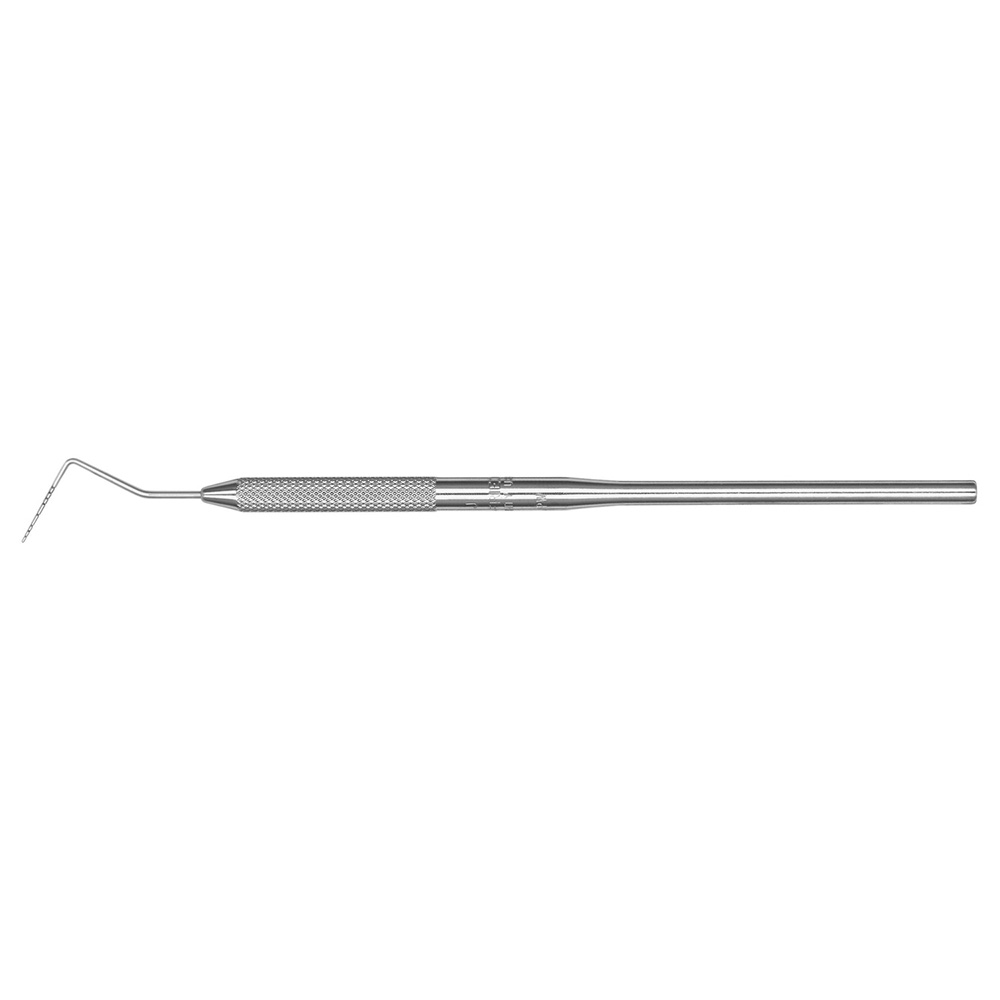
Probe Paro Williams Handle Num 30 - Hu-Friedy - Delynov - 1-2-3-5-7-8-9-10 quantities
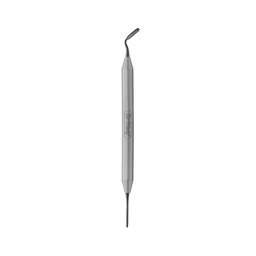
The Sonde paro Williams manche #30, 1-2-3-5-7-8-9-10 - Hu-Friedy is a medical device manufactured by Hu-Friedy Mfg. Co., LLC.
- Compliance: Medical device Class I.
- Manufacturer: Hu-Friedy Mfg. Co., LLC.
- Reserved for healthcare professionals. Read instructions carefully before use.
| Manufacturer: Hu-Friedy |
Complete your order
Based on our customers' orders

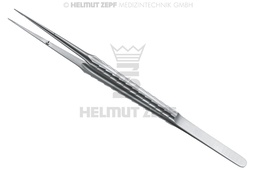
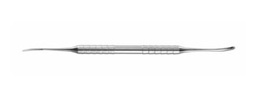
 Urban Scissors - (CURBAN1) Hu-Friedy - Delynov
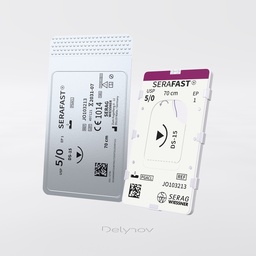 SERAFAST Absorbable Violet Suture 5/0 DS-15 Needle 70cm - Serag & Wiessner - JO103213
Recommended suture
What is the Williams periodontal probe handle #30 - Hu-Friedy?
The Williams periodontal probe is a high-precision periodontal diagnostic instrument designed by Hu-Friedy Mfg. Co., LLC. It consists of a thin working end and a #30 handle. Its structure is specifically developed to allow smooth insertion into the gingival sulcus. Unlike other probes, the Williams model features a unique graduation sequence that omits the 4 and 6 mm marks to facilitate visual reading during clinical examination. As a manual instrument, it is a pillar of the periodontal exam, allowing for the collection of objective data on the health of the tissues surrounding the tooth or implant.
What are the clinical indications for this instrument?
The Williams periodontal probe is primarily indicated for measuring periodontal pocket depth and evaluating gingival inflammation, notably through bleeding on probing. In oral surgery and implantology, it is used to measure the width of keratinized gingiva and to monitor the stability of peri-implant tissues. It also allows for the mapping of attachment loss during initial diagnostic phases or periodontal maintenance. Its use is essential for establishing a precise treatment plan and monitoring the progression of periodontal pathology in the patient.
What are the technical characteristics of the Williams probe?
This diagnostic instrument manufactured by Hu-Friedy is distinguished by its specific millimeter markings: 1-2-3-5-7-8-9-10 mm. The absence of 4 and 6 graduations is a deliberate technical feature of the Williams design to improve readability and reduce parallax errors during measurements. The #30 handle offers ergonomics designed for practitioner comfort. The working tip is calibrated with great rigor to ensure reproducibility of measurements between different examiners. The manufacturing quality of Hu-Friedy Mfg. Co., LLC ensures the structural resistance necessary for repeated sterilization cycles in the dental office.
What are the contraindications for the use of the probe?
According to the information provided by the manufacturer Hu-Friedy, the use of this instrument is strictly reserved for qualified healthcare professionals. There are no listed absolute medical contraindications, other than application on tissues presenting an acute pathology that does not allow instrumental contact or extreme unmanaged patient sensitivity. The practitioner must carefully consult the instructions before use to ensure compliance with safety protocols. As with any Class I instrument, a visual inspection before each use is recommended to check the integrity of the tip and the readability of the Williams graduations.
What are the maintenance precautions for this non-resorbable instrument?
As a reusable and non-resorbable metallic instrument, the Williams periodontal probe requires a rigorous decontamination and sterilization protocol after each use. It is imperative to follow the cleaning instructions recommended by Hu-Friedy to avoid any corrosion or degradation of the millimeter markings. The practitioner must take care not to bend the fine tip of the probe, which would distort clinical measurements. Adequate storage in a dry and clean environment is essential to maintain the physical properties of the Class I instrument over the long term.
Who is the manufacturer and what standards are respected?
The probe is manufactured by Hu-Friedy Mfg. Co., LLC, located at 3232 N. Rockwell St. Chicago, Il 60618 USA. This device is classified as a Class I instrument according to current regulations. Hu-Friedy is a recognized manufacturer in the dental sector for the quality of its surgical and diagnostic instruments. Compliance with manufacturing protocols ensures healthcare professionals a reliable tool that meets safety requirements. It is reminded that the use of this device is reserved exclusively for healthcare professionals and that reading the instructions provided by the manufacturer is mandatory before any clinical implementation.
State of the art
Specialized surgical instrumentation is evolving towards ergonomic designs.