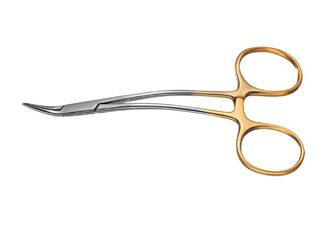
Precision Forceps for Dental Surgery and Implantology - Helmut Zepf (22.523.13) - Delynov
The Pinces à écharde pour chirurgie dentaire et implantologie - Helmut Zepf is a medical device manufactured by Helmut Zepf Medizintechnik GmbH.
- Compliance: Medical device Class I.
- Manufacturer: Helmut Zepf Medizintechnik GmbH.
- Reference: 22.523.13.
- Reserved for healthcare professionals. Read instructions carefully before use.
What is the Helmut Zepf splinter forceps (22.523.13)?
The Helmut Zepf splinter forceps, referenced under code 22.523.13, is a manual instrument designed for dental surgery and implantology. Manufactured by Helmut Zepf Medizintechnik GmbH, this tool is crafted from high-quality medical stainless steel. As a precision surgery forceps, it is specifically structured to allow healthcare professionals to handle small elements with high reliability. This device belongs to Class I of medical devices, guaranteeing its compliance with regulatory requirements for non-invasive or reusable instruments after appropriate treatment.
What are the clinical indications for this dental splinter forceps?
This dental splinter forceps is indicated for all interventions requiring the grasping, holding, or extraction of small fragments or foreign bodies within the oral cavity. It is particularly used in oral surgery, periodontology, and during guided bone regeneration (GBR) phases. Its use is reserved exclusively for qualified healthcare professionals. It allows for accurate intervention in restricted access areas, thus ensuring the effective removal of debris or the manipulation of small implant components during surgical protocols.
What are the technical characteristics of this instrument?
The Helmut Zepf surgical splinter forceps is distinguished by its medical stainless steel construction, a material chosen for its resistance to repeated sterilization cycles. Referenced 22.523.13, it features ergonomics adapted to the requirements of micro-surgery. Although the manufacturer has not defined a maximum limit for processing cycles due to the robustness of the materials used, the instrument must undergo a rigorous inspection before each use. It is imperative to check for the absence of visible damage, such as cracks, breaks, or defects on the active parts, to ensure operative safety.
What are the contraindications for the use of this surgery splinter forceps?
The main contraindication related to the use of this surgery splinter forceps is known hypersensitivity or intolerance to metals, particularly medical stainless steel, in the patient. A hypersensitivity reaction may be triggered upon contact between the instrument and the tissues. If such a reaction occurs, the manufacturer Helmut Zepf Medizintechnik GmbH recommends immediate cessation of the procedure and the implementation of necessary medical measures. It is therefore essential to validate the patient's history regarding metal allergies before any surgical intervention.
What are the maintenance and reprocessing precautions?
Like any reusable Class I instrument, these forceps must follow a strict protocol of cleaning, disinfection, and sterilization. Helmut Zepf products are delivered non-sterile and must imperatively be treated before the first use, and then after each subsequent use. The professional must inspect the instrument for any wear or corrosion. The use of damaged products is strictly prohibited. The reprocessing process is possible thanks to the durable design of the steel, but it is the practitioner's responsibility to check compatibility with other products and to ensure the integrity of the cutting and gripping edges.
Who is the manufacturer and what standards are respected?
The official manufacturer is Helmut Zepf Medizintechnik GmbH, located in Seitingen-Oberflacht, Germany. This device is classified as Class I according to current medical device regulations. The manufacturer insists on compliance with safety and usage instructions to maintain the instrument's conformity. Each forceps is subject to rigorous quality controls to meet the needs of modern implantology. As a manual dental instrument, it must be used in accordance with its intended purpose to ensure patient safety and the longevity of the precision tool.
State of the art
Guided bone regeneration (GBR) in implantology relies on membrane fixation quality.
Specifications
| Manufacturer | Helmut Zepf |
| Tags | |
|---|---|
| Tags | |