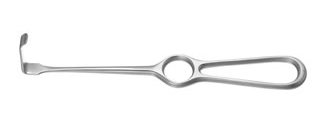
Kocher-Langenbeck - Bone Forceps Helmut Zepf (38.426.03)
The Kocher-Langenbeck - Pince à os Helmut Zepf is a medical device manufactured by Helmut Zepf Medizintechnik GmbH.
- Compliance: Medical device Class I.
- Manufacturer: Helmut Zepf Medizintechnik GmbH.
- Reference: 38.426.03.
- Reserved for healthcare professionals. Read instructions carefully before use.
| Manufacturer: Helmut Zepf |
Complete your order
Our customers often order these together
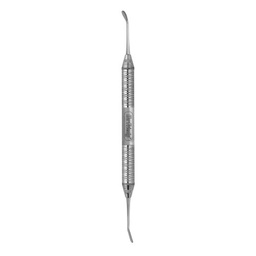 Dr Istvan Urban "Mini Me" Micro Periosteal Elevator (PFIWDS1MK) - Hu-Friedy - Delynov
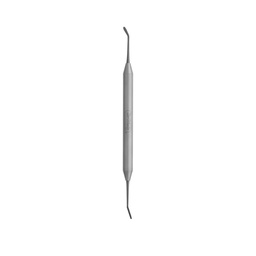 Dr Urban Isvan "Mini Me" Micro Periosteal Elevator, Black Line - Hu-Friedy (PFIWDS1MKX) - Delynov
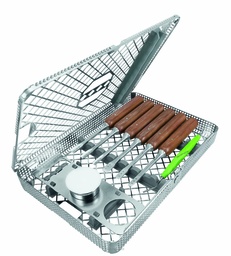 Kit de chirurgie Immediate Dentoalveolar Restoration (IDR) du Dr José Carlos Martins Da Rosa - Helmut Zepf (41.550.00) - Delynov

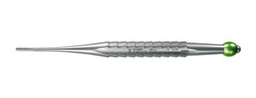
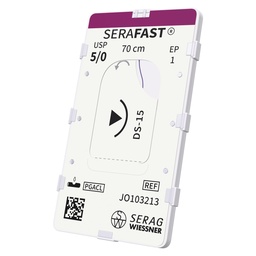 SERAFAST Absorbable Violet Suture 5/0 DS-15 Needle 70cm - Serag & Wiessner - JO103213
Recommended suture
What is the Helmut Zepf Kocher-Langenbeck bone forceps?
The Kocher-Langenbeck bone forceps, referenced under code 38.426.03, is a specialized manual instrument designed by Helmut Zepf Medizintechnik GmbH. This tool belongs to the bone surgery instrumentation category and is composed of high-quality medical stainless steel. Its structure is specifically adapted to provide a firm and secure grip on bone tissue during complex interventions. As a Class I device, it meets safety requirements for non-invasive or invasive instruments for temporary use. It is delivered non-sterile and requires a complete cleaning and sterilization protocol before each use in the dental office or operating theater.
What are the clinical indications for this instrument?
This bone forceps is primarily indicated for oral surgery, periodontology, and implantology procedures requiring precise manipulation of hard structures. It is used during Guided Bone Regeneration (GBR) procedures to hold bone fragments or stabilize cortical flaps. Its Kocher-Langenbeck design allows for effective application in restricted access areas, facilitating the surgeon's work during implant site preparation or the correction of bone defects. The use of this Helmut Zepf instrument is strictly reserved for qualified healthcare professionals mastering bone surgery techniques.
What are the technical characteristics of reference 38.426.03?
Technical reference 38.426.03 corresponds to a specific model in the Helmut Zepf range, characterized by its robustness and medical stainless steel composition. Although exact dimensions are not specified, the Kocher-Langenbeck design is recognized for its limited traumatic gripping capacity while ensuring optimal holding force. The instrument must undergo a rigorous inspection before each use to detect any visible damage such as cracks, breaks, or defects on the active parts. Any product showing signs of wear must never be used to guarantee patient safety and the effectiveness of the surgical procedure.
What are the contraindications for the use of this bone forceps?
The main contraindication related to the use of this Helmut Zepf instrument is the patient's known hypersensitivity or intolerance to metals, particularly medical stainless steel. An allergic reaction can be triggered upon contact between the instrument and the tissues. If such a hypersensitivity reaction occurs during the intervention, the procedure must be immediately interrupted and necessary medical measures must be taken. It is therefore crucial to check the patient's allergic history before any manipulation. Furthermore, the use of the instrument is contraindicated if it presents visible structural damage that could compromise its integrity or the safety of the surgical act.
What are the maintenance and reprocessing precautions?
As Helmut Zepf Medizintechnik GmbH products are delivered non-sterile, a complete reprocessing cycle is mandatory before the first use and after each subsequent use. This process includes cleaning, disinfection, and sterilization. Due to the design of the Kocher-Langenbeck bone forceps and the materials used, there is no defined maximum limit for treatment cycles, as long as the instrument does not show functional wear. It is imperative to check compatibility with other products used simultaneously. Thorough cleaning is essential to remove all biological residue before the sterilization phase, thus guaranteeing the asepsis indispensable in bone surgery.
Who is the manufacturer and what standards are respected?
The official manufacturer of this instrument is the company Helmut Zepf Medizintechnik GmbH, located in Seitingen-Oberflacht, Germany. This medical device is classified as Class I according to current regulations. The manufacturer imposes strict manufacturing standards to ensure the reliability of its bone surgery instrumentation. As a Class I instrument, it follows the conformity assessment procedures required for its placement on the market. Compliance with the instructions for use and safety provided by Helmut Zepf is essential to maintain the tool's performance and ensure patient protection during dental and surgical care.
State of the art
Guided bone regeneration (GBR) in implantology relies on membrane fixation quality.