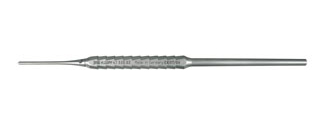
Instrument for Perforation - Helmut Zepf (47.520.02) - Delynov - Dental Surgery Perforation Instrument by Helmut Zepf (47.520.02) - Delynov
The Instrument pour perforation - Helmut Zepf is a medical device manufactured by Helmut Zepf Medizintechnik GmbH.
- Compliance: Medical device Class I.
- Manufacturer: Helmut Zepf Medizintechnik GmbH.
- Reference: 47.520.02.
- Reserved for healthcare professionals. Read instructions carefully before use.
| Manufacturer: Helmut Zepf |
Complete your order
Our customers often order these together
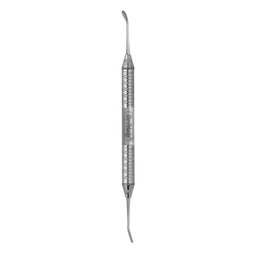 Dr Istvan Urban "Mini Me" Micro Periosteal Elevator (PFIWDS1MK) - Hu-Friedy - Delynov
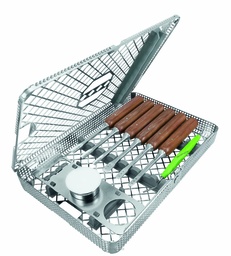 Kit de chirurgie Immediate Dentoalveolar Restoration (IDR) du Dr José Carlos Martins Da Rosa - Helmut Zepf (41.550.00) - Delynov
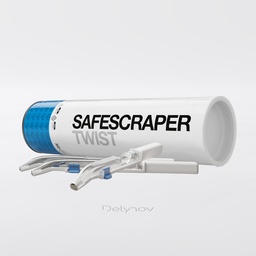 Safescraper Twist Curve - Sterile Cortical Bone Scraper - Meta - Set of 3 - 3987
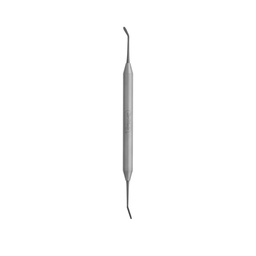 Dr Urban Isvan "Mini Me" Micro Periosteal Elevator, Black Line - Hu-Friedy (PFIWDS1MKX) - Delynov

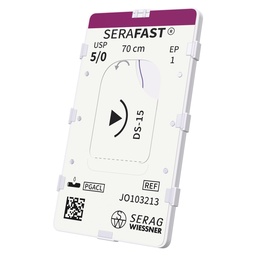 SERAFAST Absorbable Violet Suture 5/0 DS-15 Needle 70cm - Serag & Wiessner - JO103213
Recommended suture
What is the Helmut Zepf perforation instrument?
The Helmut Zepf perforation instrument, referenced under code 47.520.02, is a manual device specifically developed for the requirements of oral surgery. Manufactured from medical stainless steel by Helmut Zepf Medizintechnik GmbH, this tool is distinguished by its robust structure adapted to sterile clinical environments. It belongs to the category of precision manual instruments used by dental surgeons and implantologists. This device is delivered non-sterile and requires a complete cleaning, disinfection, and sterilization protocol before its first use and after each clinical cycle to ensure patient safety and the longevity of the steel.
What are the clinical indications for this instrument?
This instrument is primarily indicated for implant surgery interventions requiring a controlled perforation action. It is commonly used as a sinus perforation instrument or sinus lift accessory to facilitate access or manipulation of hard and soft tissues in the sinus area. Its role is decisive during the preparation phases of the implant site where precise perforation is required. As a manual instrument, it offers essential tactile feedback to the practitioner during delicate maneuvers near the sinus membrane or when creating specific bone anchor points in oral surgery.
What are the technical characteristics of this instrument?
The Helmut Zepf instrument (47.520.02) is designed from high-quality medical stainless steel, guaranteeing optimal resistance to repeated sterilization cycles. It is a Class I device according to the regulatory classification of medical devices. Its ergonomic design is intended for a stable grip during perforation gestures. The manufacturer, Helmut Zepf Medizintechnik GmbH, does not define a maximum limit for processing cycles, as the service life depends on maintenance and the absence of visible damage such as cracks or breaks. It is imperative to check the integrity of the edges and the structure before each intervention.
What are the contraindications for the use of this device?
The main medical contraindication mentioned by the manufacturer Helmut Zepf concerns hypersensitivity or intolerance to metals. Due to its medical stainless steel composition, contact with the patient can trigger an allergic reaction in sensitive individuals. If such a hypersensitivity reaction occurs during the intervention, the procedure must be immediately interrupted and the necessary medical measures must be taken. Furthermore, the use of the instrument is strictly prohibited if it shows visible signs of wear, cracks, breaks, or defects on the active parts, in order to avoid any risk of intraoperative complication.
What are the maintenance and reprocessing precautions?
As Helmut Zepf products are delivered non-sterile, a rigorous reprocessing protocol is mandatory. Before the first use and after each subsequent use, the instrument must be cleaned, disinfected, and sterilized. The practitioner must carefully inspect the accessory to detect any structural damage or premature wear. The use of damaged products is prohibited. Although no cycle limit is set due to the quality of the materials, compatibility with other sterilization products and equipment must be verified beforehand by the healthcare professional responsible for the decontamination chain within the practice or clinic.
Who is the manufacturer and what standards are respected?
The instrument is manufactured by Helmut Zepf Medizintechnik GmbH, a recognized manufacturer located in Seitingen-Oberflacht, Germany. This medical device is classified as Class I (Class Ir according to certain reprocessing nomenclatures). It complies with manufacturing requirements for manual dental instruments made of medical stainless steel. The manufacturer emphasizes that the use of this instrument is strictly reserved for healthcare professionals trained in oral and implant surgery techniques. Compliance with the safety and maintenance instructions issued by Helmut Zepf is essential to maintain the conformity of the device throughout its operational life.
State of the art
Specialized surgical instrumentation is evolving towards ergonomic designs.